
Luftmensch · manifesto
Dread
and Joy
An attempt to bring order to personal reflections, accompanied by images caught on my trusty smartphone at the bottom of the gaseous layer.
Chapter I
Dread and Joy
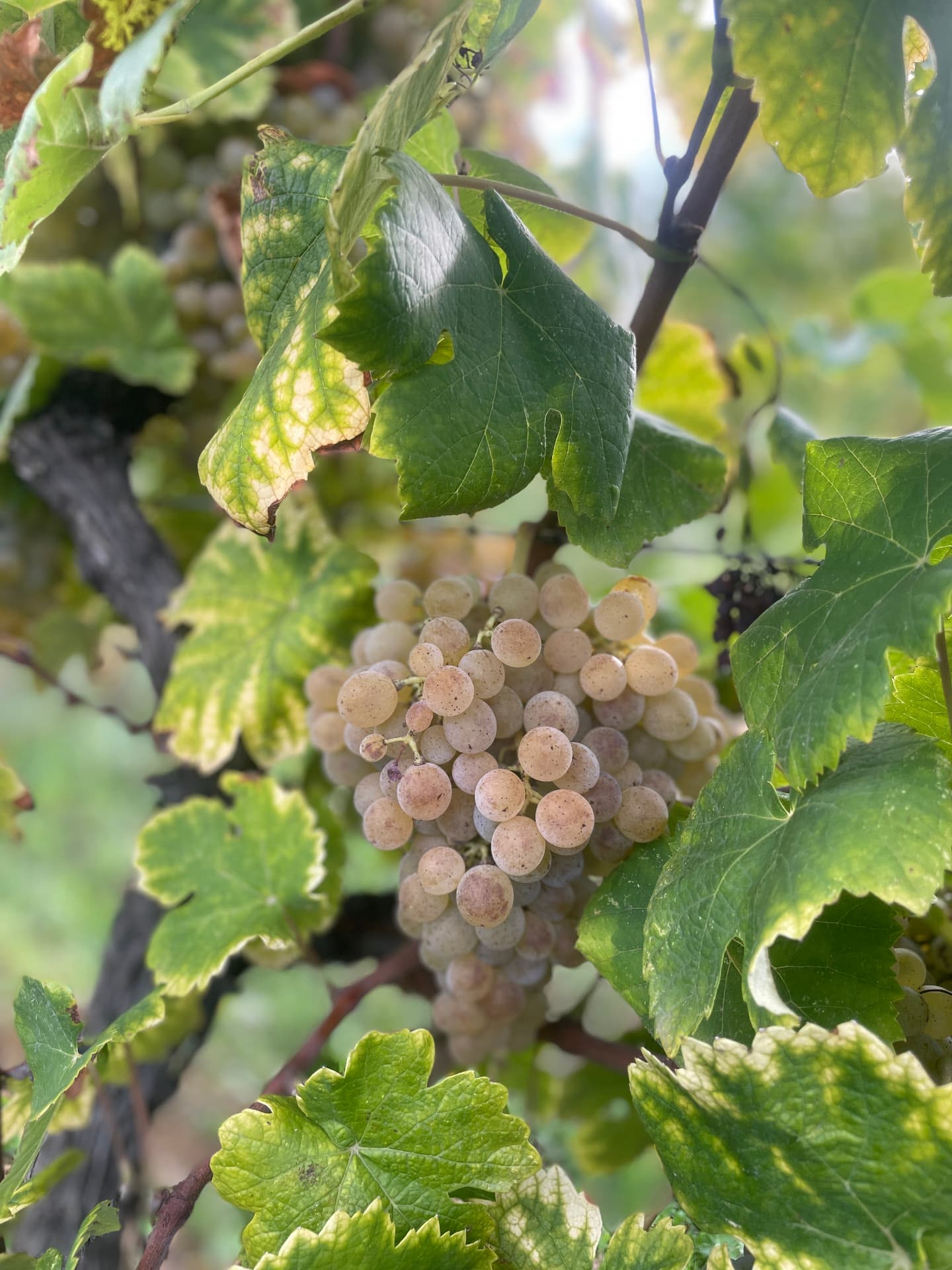
The grapevine is a liana.
In the wild, it favours the fringes of riverside woodland, those meeting places where light, water and vegetation give it room to thrive. It storms the trees, borrows their trunks and branches to reach the light, and spreads its foliage into the canopy.
The grapevine is a commensal.
The tree lends it support without gaining anything in return. This coexistence may turn to competition when their foliage vies for the light or their roots seek out the same resources. The wild vine finds its way through the extraordinary tangle of life, amid alliances, rivalries, opportunities and accidents. It struggles, it lives, it thrives, with neither god nor master, neither faith nor law.
We winegrowers have a very different fate in store for it.
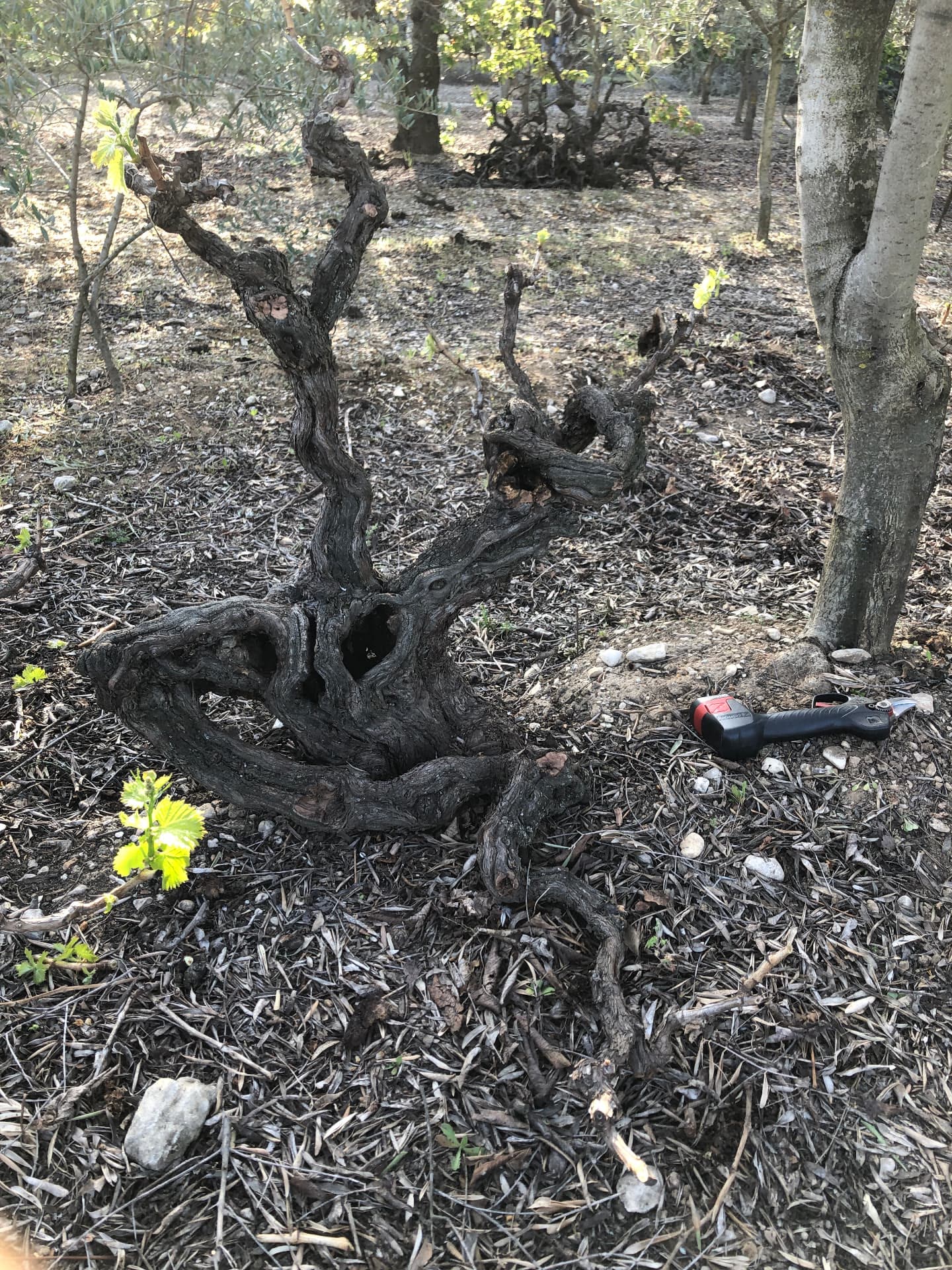
We select it, propagate it, graft it, plant it in rows, prune it, tie it down, hold it in check. We impose a sedentary, bonsai-like, domesticated existence on this cosmic climber, this conqueror of interfaces, in an open, uniform space whose conditions we arrange down to the last detail. We deny it trees, steer its destiny and take its fruit. And with good reason: we want grapes. And we want wine!
To me, the winegrower is the shepherd of a motionless herd of plants. We ought to grasp the full measure of this arrangement. A vineyard plot is an environment profoundly shaped by human hands, held in a particular state of ecological tension. Without human intervention, other plants would soon move in. Grasses, perennials, bushes and eventually trees would carry the plot towards a forested future. The hardiest wild plants, perfectly attuned to the quirks of the terroir, would soon outcompete the domesticated vine.
Chapter II
Enmeshed, with No Escape
As a winegrower, I intervene like someone keeping a pinball dancing down the sloping playfield. Or I picture myself as a beaver laboriously trying to divert the natural course of a river. To me, humans belong to nature. We are part of it, embedded, with no escape. The only separation we can experience is one created by the mind. When the mind plays terrorist. A vineyard, run wild in Lissner's fashion or reduced to a desert in Bayer's, is irredeemably “natural”, just as much as a nuclear reactor, a space station, a typhoon or an orgasm. A glass of wine, whether made without magic powders and with all the care of an artisan possessed by their craft, or mass-produced by inveterate pranksters, tampered with, pumped up and gaudily dolled up, can be nothing other than “natural”.
A certain mystique of vines and wine can, I believe, help rearrange our conventional categories of opposition. Nature versus culture. Might culture simply be the human part of the greater whole? Life versus death. Is not birth, rather than life, the opposite of death, with both belonging to life? Competition versus cooperation. Might rivalry and cooperation be two tactics within the wider game of competition?
Chapter III
Totalitarian Monoculture
If the vine's dominance in the plot, and the abundance of its autumn fruit, are largely conditioned by my interventions, I must acknowledge that most of what goes on in my terroir escapes my senses, escapes my awareness. I could try to monitor and control the ecosystem to the utmost, until nothing but vines were tolerated. Eliminate every competitor, neutralise predators and parasites, boost nutrition, and seek to anticipate and regulate every mishap in real time. The game hardly seems worth the candle. First, because the overwhelming majority of wines I have tasted and found moving did not come from vineyards under the rule of a despot. Second, because establishing and maintaining an agricultural totalitarianism lies beyond my physical, material and spiritual strength.
Chapter IV
When the Stadium Collapses
The global human-driven crisis is fascinating: our human appetite, our extraordinary capacity to adapt and expand, our successive victories over every ill wind, every imaginable form of adversity and regulation... outline, in negative space, the probable imminence of a spectacular backlash, a mighty regulation of biblical proportions, perfectly in keeping with the eschatological marinade of our oldest myths. A perfect storm in which humanity no longer faces a succession of ‘bosses’ in the ring of the Pleistocene and Holocene, but the destruction of the entire stadium.
The prize we may carry off, a new planetary upheaval, has been won by other living beings before us: 2.4 billion years ago, cyanobacteria brought about the Great Oxidation Event. And 370 million years ago, land plants, on a winning streak, may have helped trigger the great Late Devonian extinctions. To our own little trophy, perhaps, we shall add the flourish of consciousness.
I digress.
Chapter V
Walking the Ridge
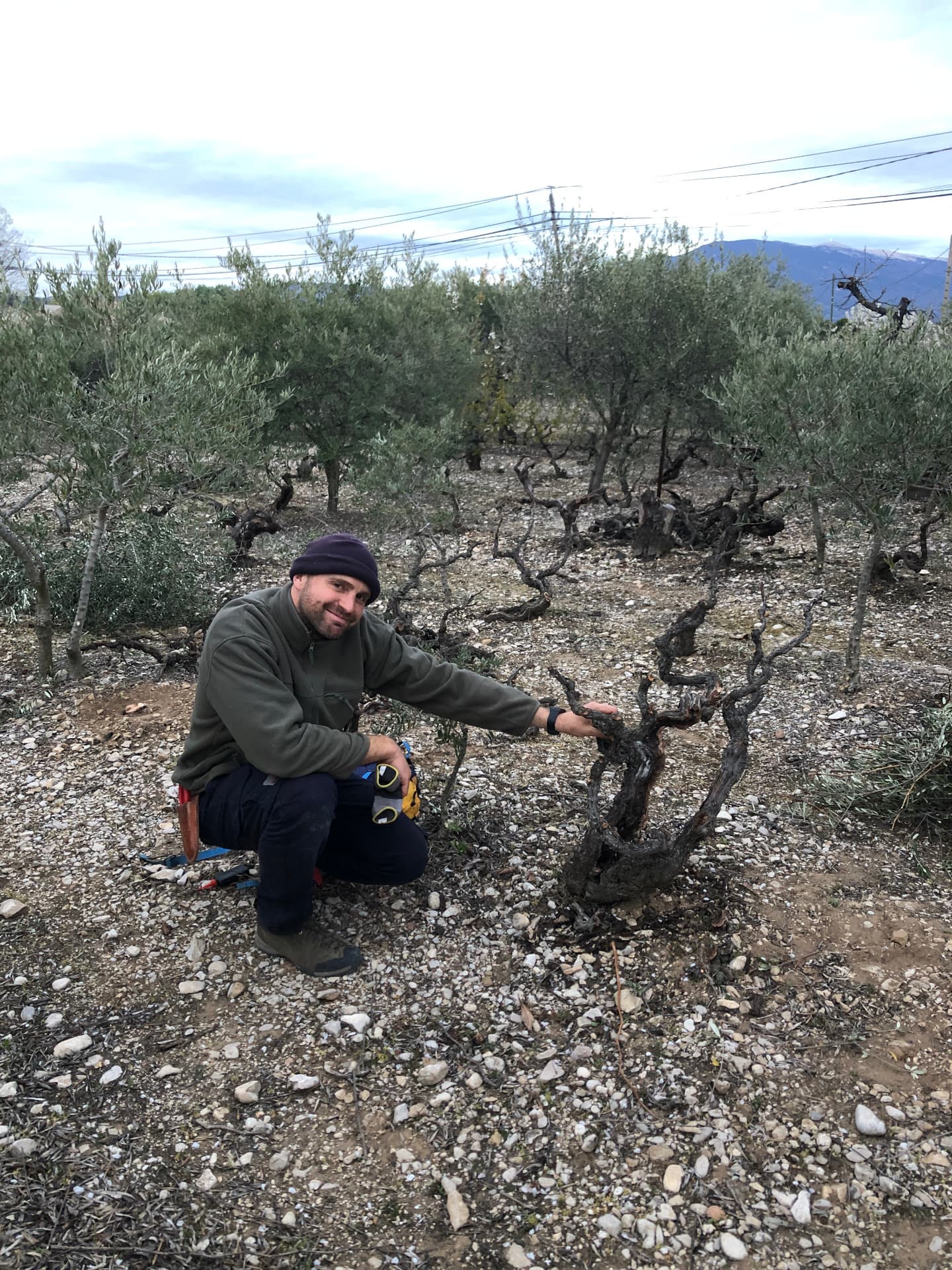
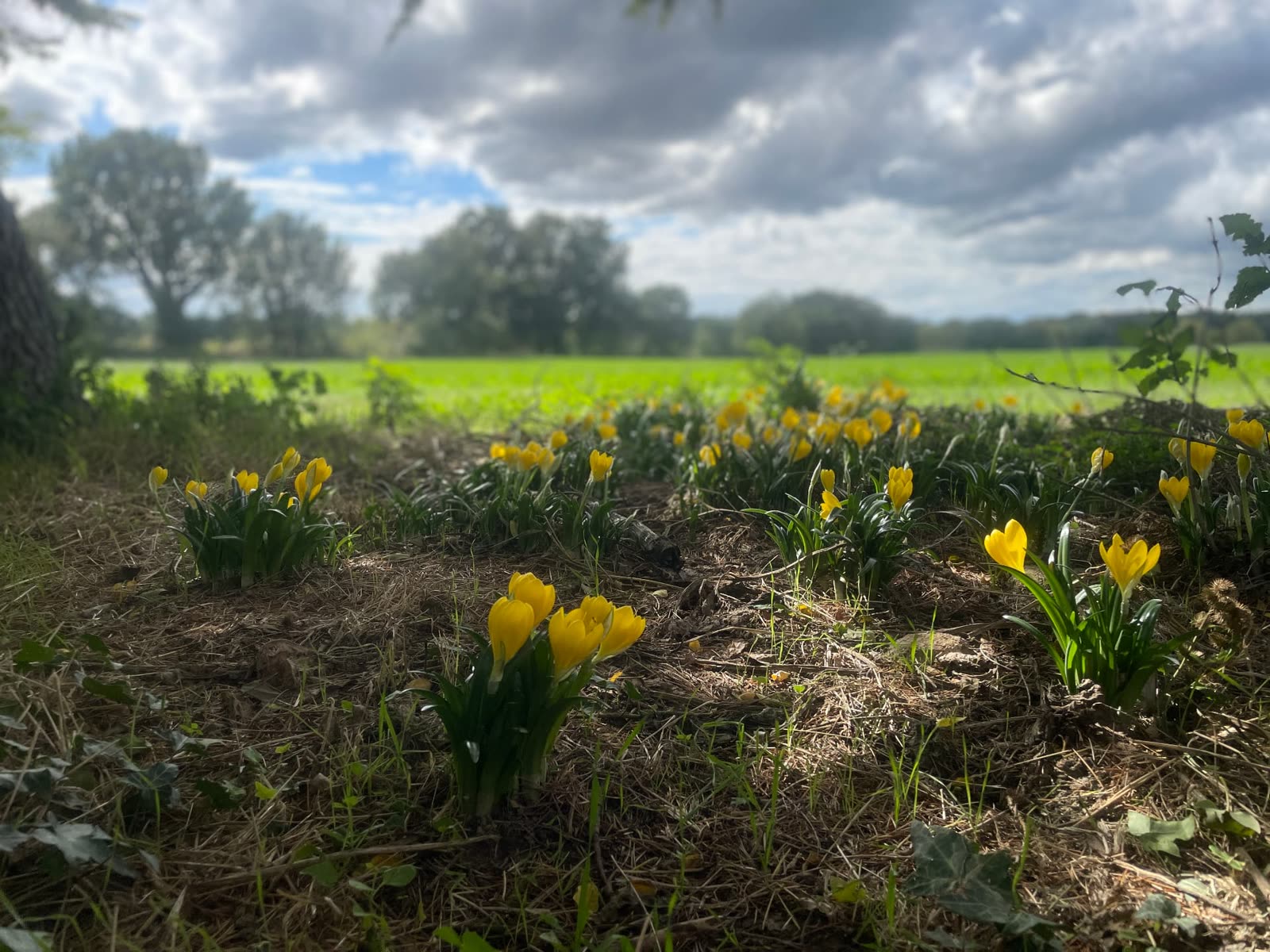
At the foot of Mourre Nègre, I grow my vines according to organic and agroecological principles. I make sure that Vitis is the dominant woody plant in the neighbourhood, but surrounded by enough checks and balances for the ecosystem to flourish along a ridgeline. My hypothesis is that the vine’s rootedness, attachments and struggles contribute to its vitality, its conatus and thus its overall balance. And that, first in the vat and then in the glass, the fruit of this ardour in the power struggles can be felt.
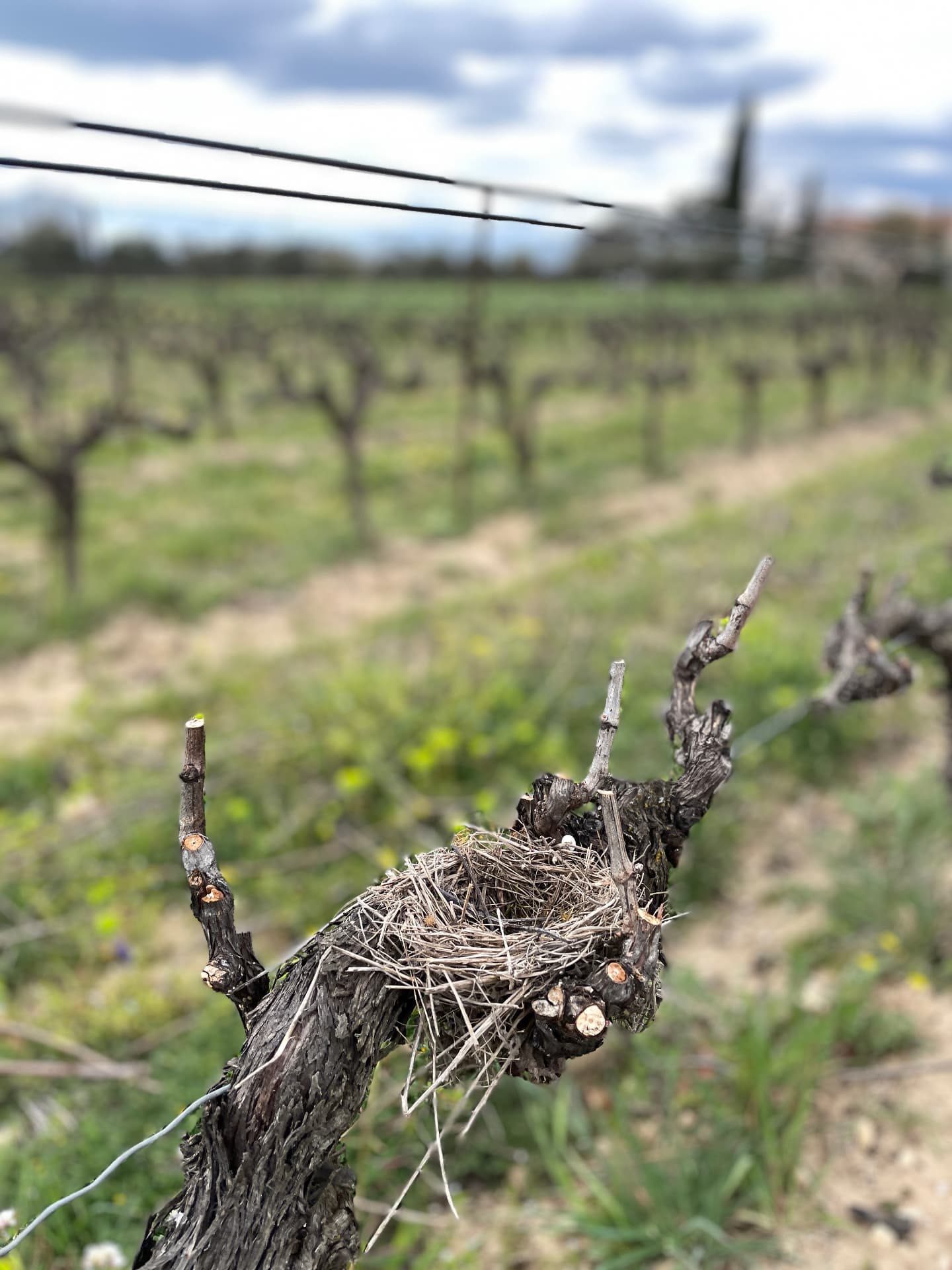
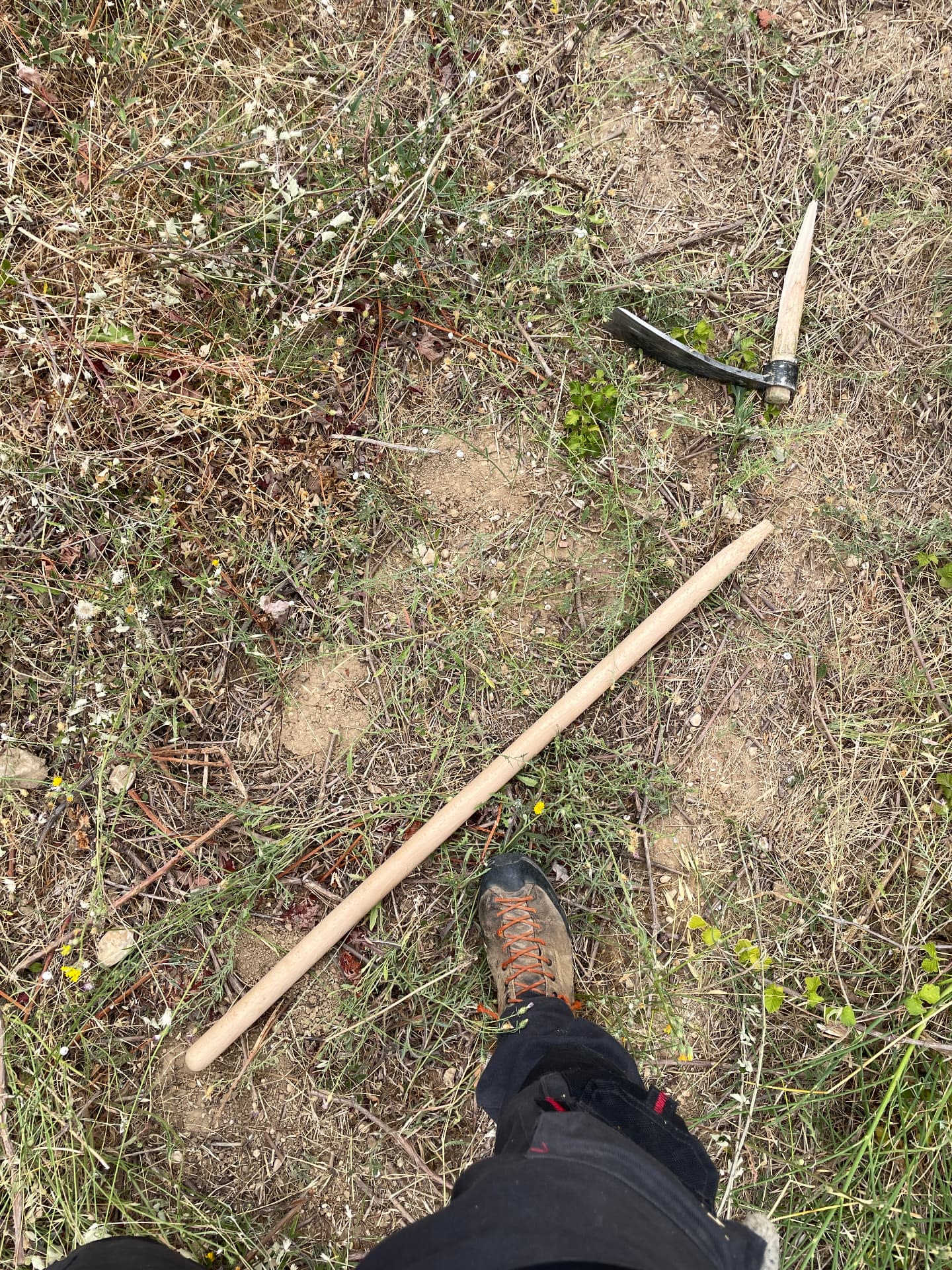
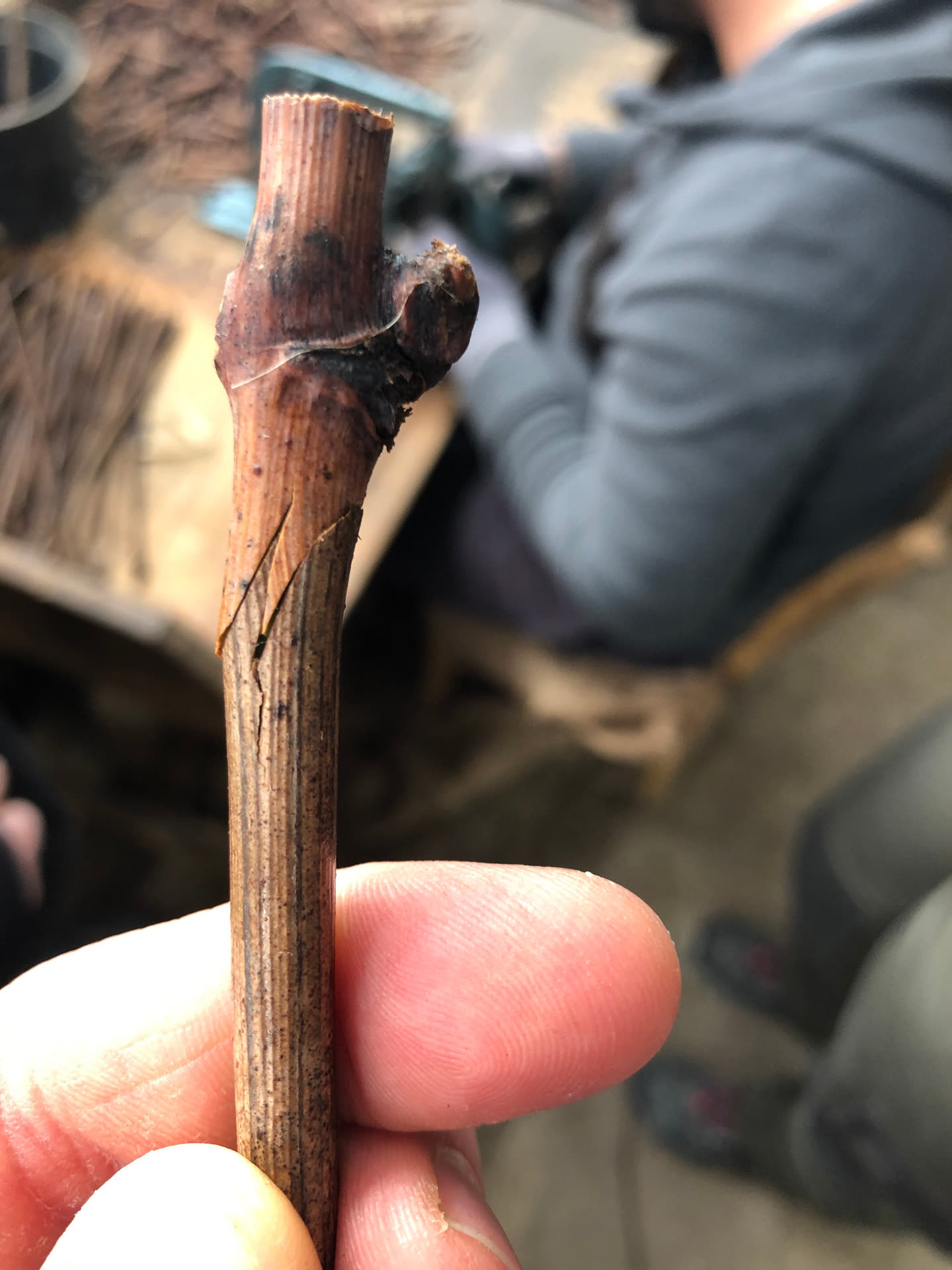
In practical terms, as spring draws to a close and the grasses have flowered and reach two metres, I make one pass with a flail mower. The thick mulch protects and nourishes the soil through the summer's scorching heat. Ahead of the first rains that carry the risk of infection, I make one or two precisely targeted copper-and-sulphur treatments with a backpack sprayer. In winter, I spend a few sessions hoeing to keep the broom in check, and devote great care to pruning and disbudding (I use a Dal–Bourdarias mix... I swear it can be done).
Chapter VI
The Glorious Mess of Life
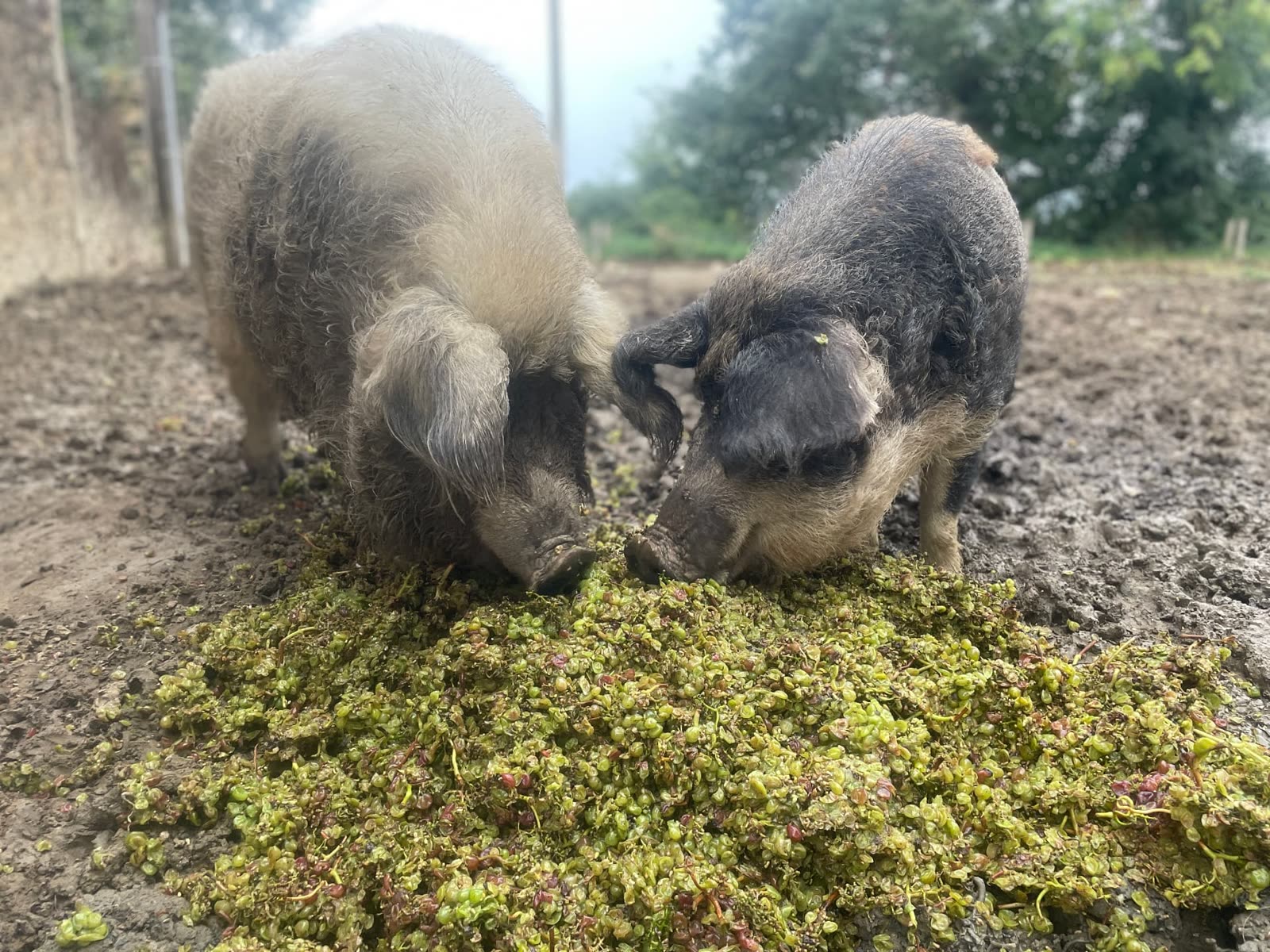
I live in Marseille. In the realm of human-altered landscapes, this city plays in the lunatics’ league. Every time I arrive among my vines, I am struck by the calm. But the impression never lasts. Once I get to work, my perception quickly adjusts, my senses adapt. It is like changing countries and languages. And suddenly I sense the swell. At once utterly different from, and uncannily like, the swell of human affairs and urban frenzy. To me, these are two glints from the same gigantic disco ball of reality. I listen, breathe, sniff, touch, taste and, of course, observe, look closer, move nearer. I perceive the forces at play and the ecosystem’s wild web of relationships: multiple, converging, contradictory.
There is quite a crowd. Homo sapiens, occasionally, when friends come to lend a hand. When a walker passes by, or a fellow grower astride a mechanised steed. Above all, there are those who live here permanently: bacteria, viruses, protozoa, fungi, mites, worms, insects, birds, mammals. Grasses and woody plants. Autotrophs and heterotrophs. Organisms, cells, molecules, atoms. Electrons, nuclei, nucleons, quarks. Chemical bonds made and broken, charges attracting and repelling, fields overlapping, thermodynamic and biochemical phenomena at work everywhere. Matter assembling and coming apart, energy flowing, information vibrating. The weave is staggering, and so is the temptation to put it all through a quantum blender.
All these creatures feed, reproduce, cooperate, parasitise, hunt, compete, decompose and transform. They join forces, exchange, share, protect one another, exploit one another, quarrel, steal, cheat, devour. Welcome, chase away, colonise. Cling, smother, poison, seduce, fertilise. Among living things, one dies to feed another. It is like AI on LSD given a single instruction: Compose! Decompose! Recompose! Every existence zigzags through the innumerable and the unnameable. All depend, all affect. In the vineyard, my moral categories fall apart. Who is the hero, the brute or the villain in all this terrifying commotion?
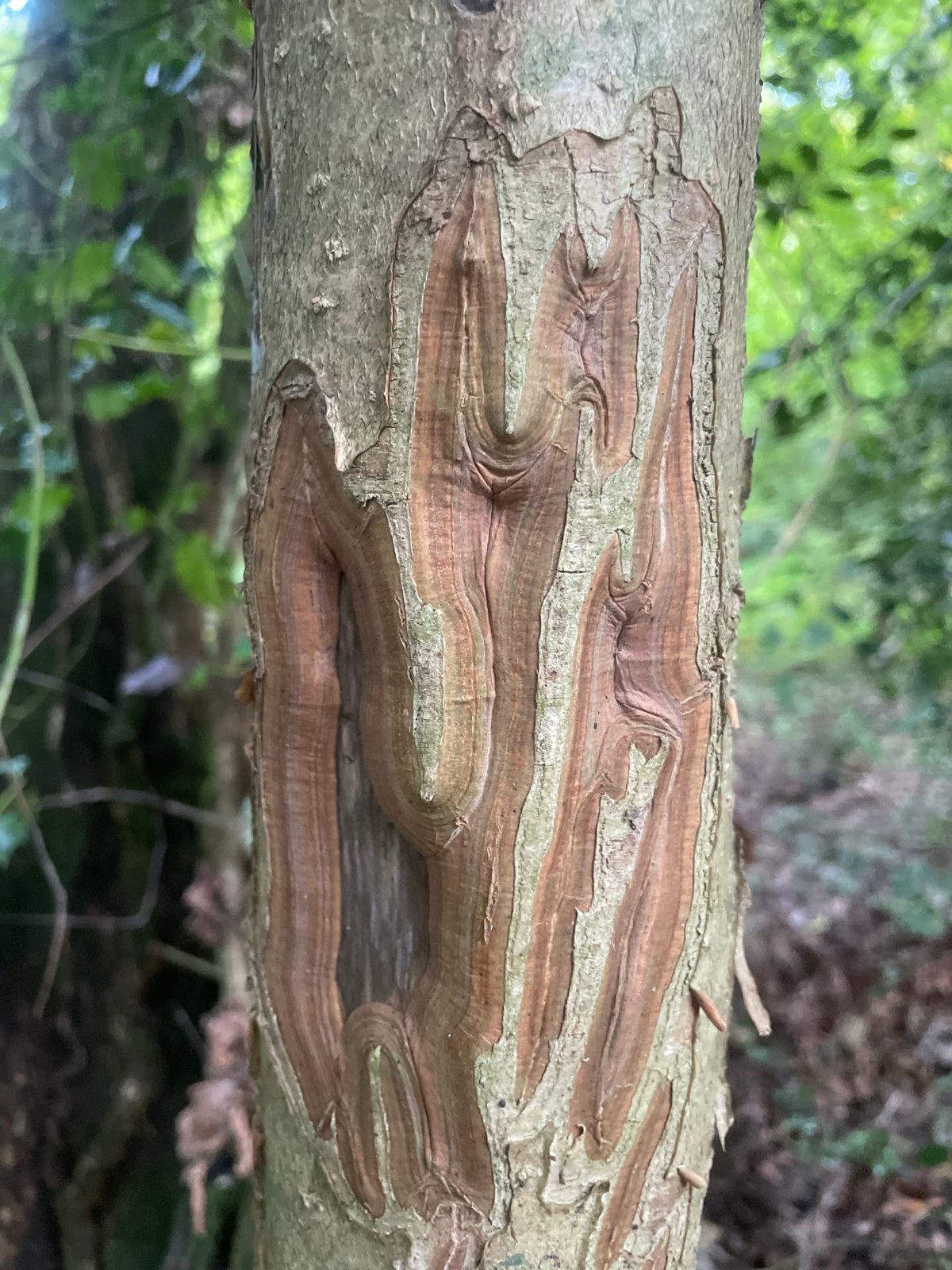
Amid the fray, I know that formidable enemies of the vine are moving about. Some are tiny, yet capable of ruining the harvest, felling a vine stock, even wiping out the whole vineyard. The key to living systems may well lie in their antagonisms. There is no reward for moderation. Those who limit themselves do nothing to stop those who do not. The expansion of some meets only the expansion of others, and it is the sum of these expansions that paradoxically produces regulation.
If the winegrower seeks to reign like an emperor, he may find himself in the same position as Homo sapiens on a global scale. Forced to compensate, with ever greater effectiveness of his own, and thus ever more power at his disposal, for the disorder caused by the disappearance of antagonisms he himself has brought about, usually without grasping their extraordinary complexity. He can end up breeding hydras, not unlike the torments of great powers bogged down in asymmetric wars. Every battle is objectively won, yet the war is endless, its cost exponential, and it ends in a sorry retreat. “The weeds always win in the end?” Perhaps Servigne is right. In any case, I understand the fascination once inspired by Fukuoka, and now by permaculture. Something absolutely essential is at stake here, that much is certain. My enquiry is far from over.
Chapter VII
And What About the Wine?
In the cellar, the same picture.
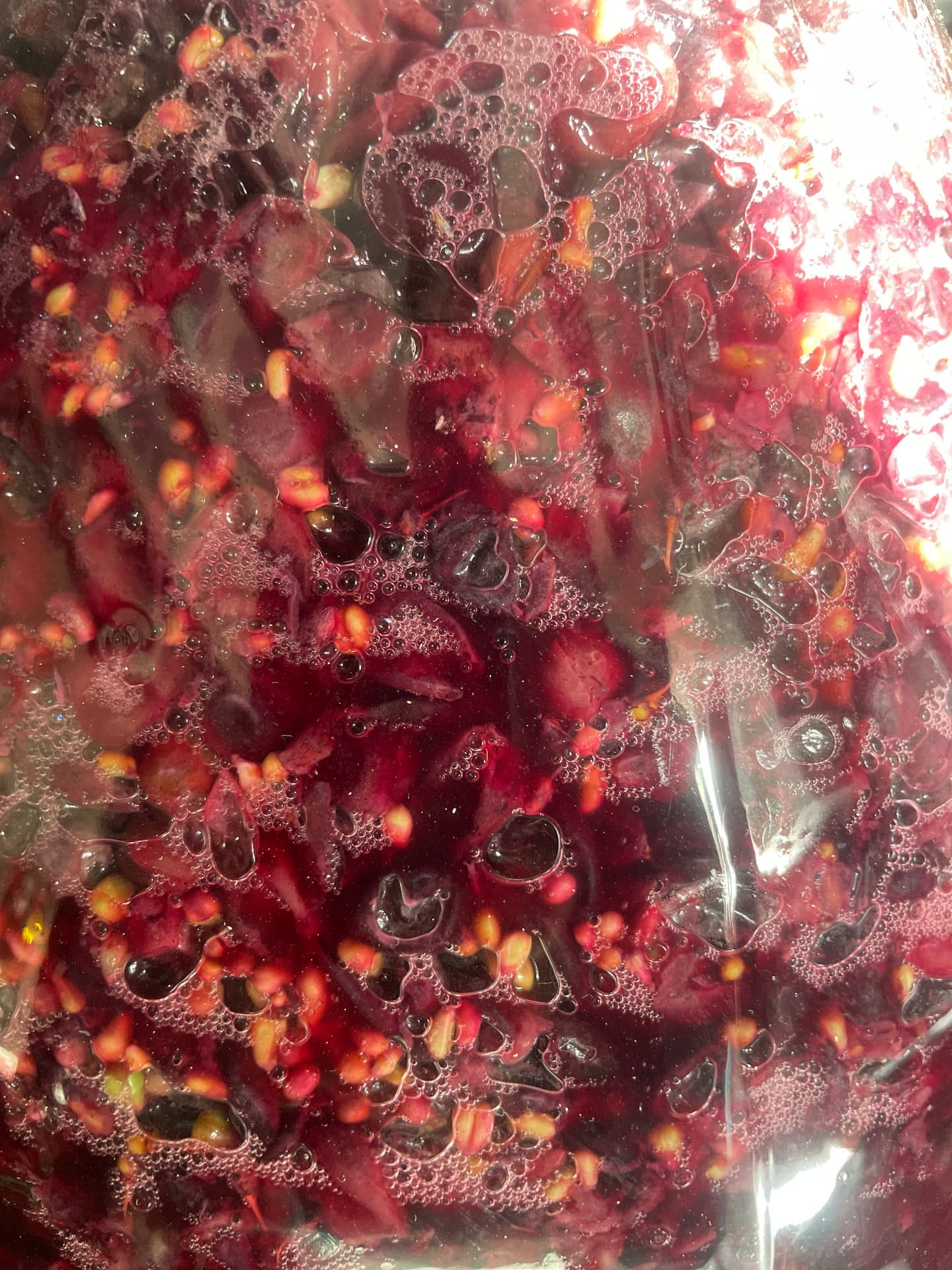
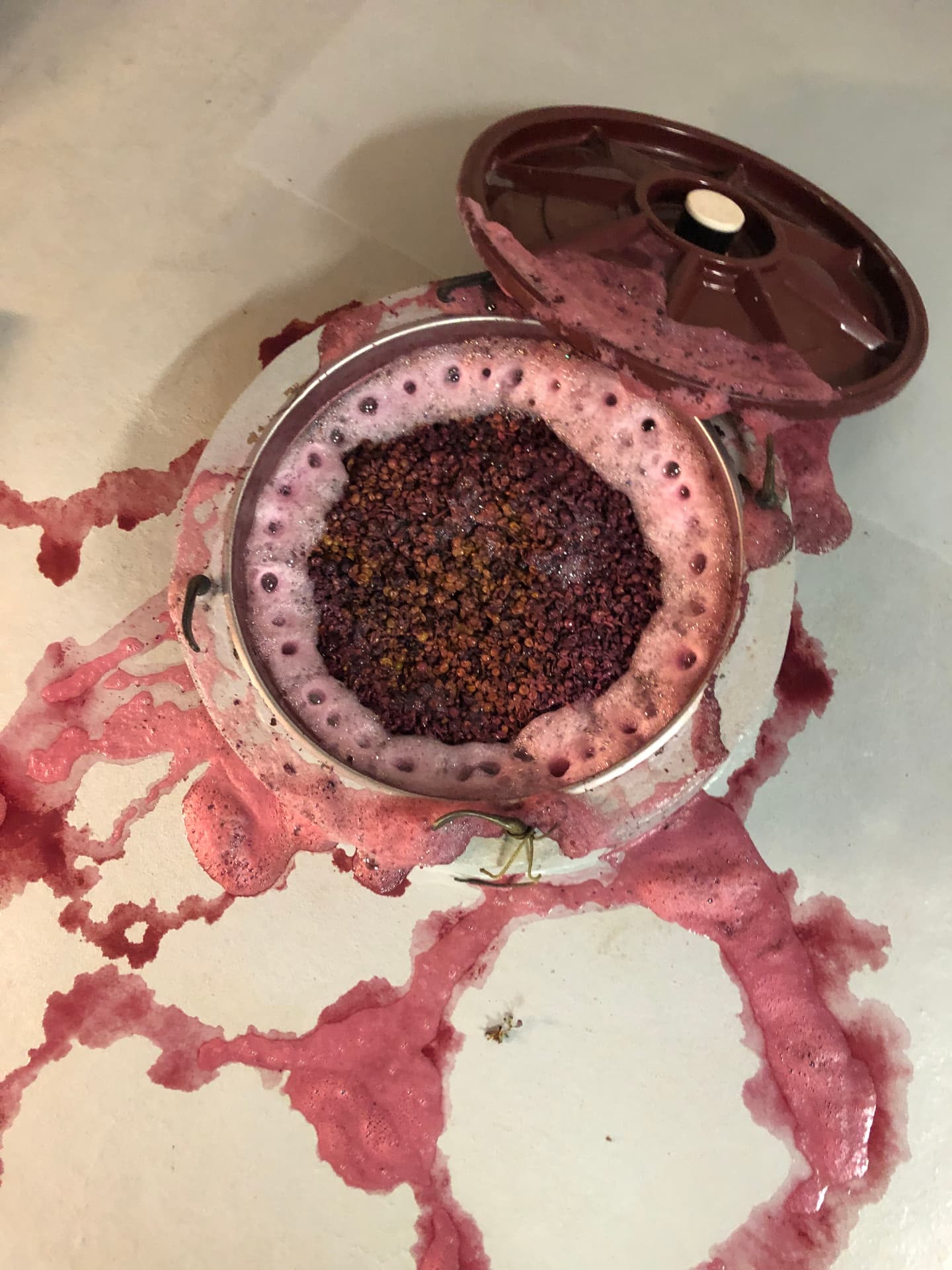
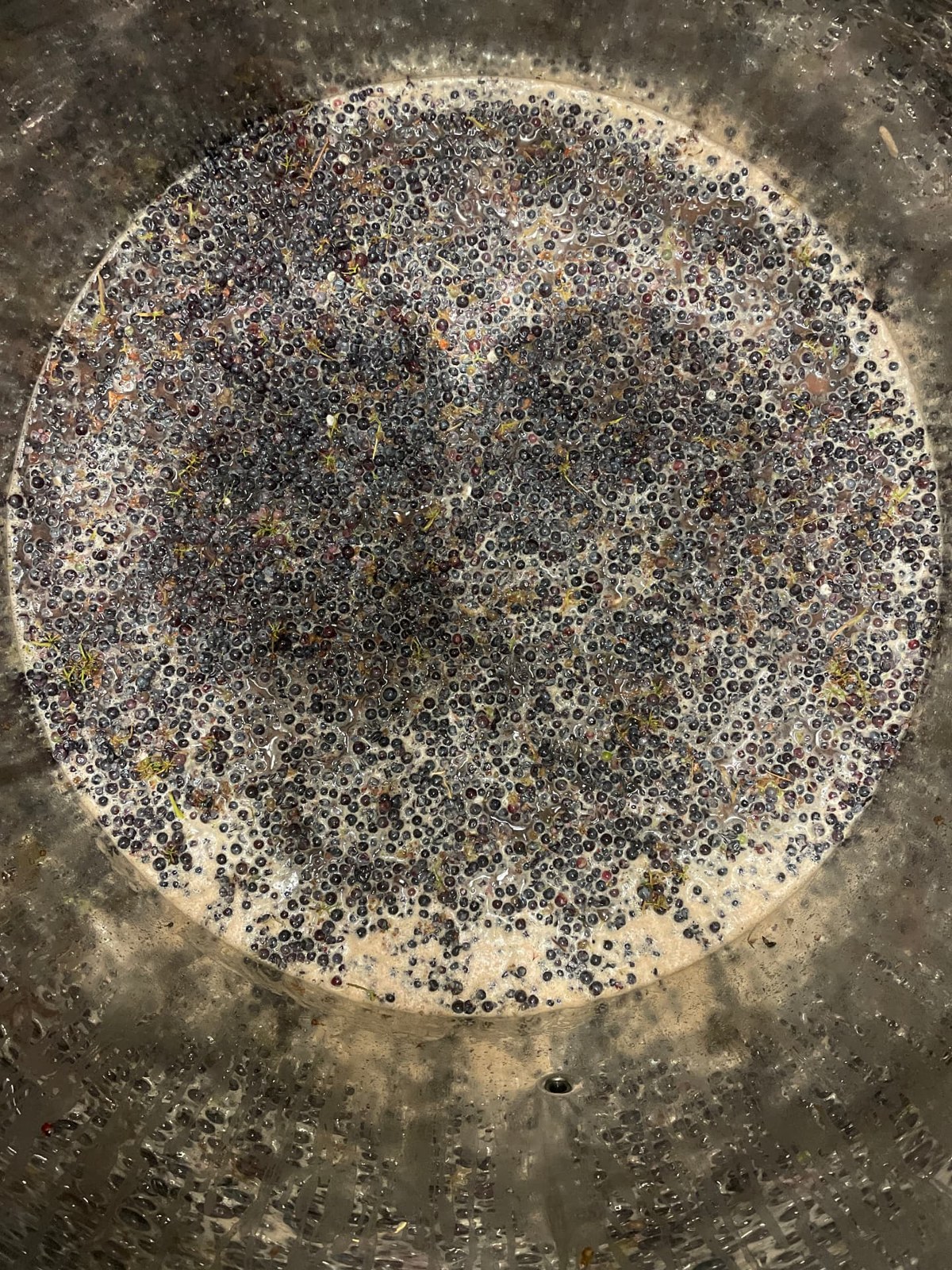
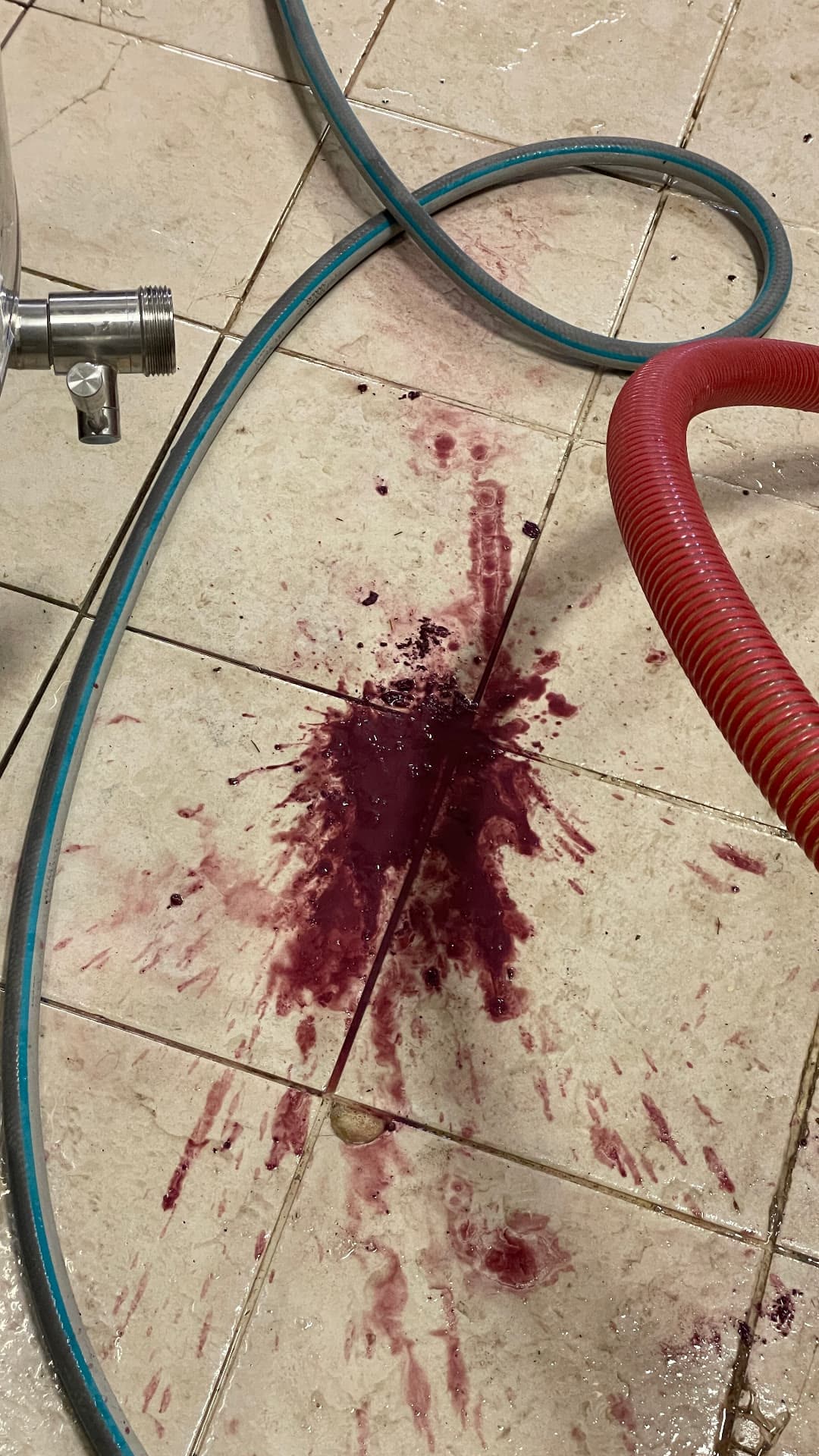
The grapes arrive laden with a singular biophysical and chemical potential, marking both a rupture and a continuity, like the leap of a waterfall or diffraction through a crystal. They bring with them a motley population of microorganisms, joined by those already in the cellar, on the equipment and in the vessels, caught up in unimaginable intertwined destinies. In the must, a new and turbulent ecosystem takes shape. Yeasts succeed one another; some gain the upper hand, others disappear. Sugars are consumed, alcohol accumulates, chemical balances shift. Cellar conditions (temperature, humidity, light...) are the equivalent of weather in the vineyard. They influence the pace of the processes. Bacteria take their turn, or sometimes work alongside the yeasts. Conditions never stop changing and, as a winegrower, of course I intervene and contribute to this variability. I am here to bend the current and keep the ball bouncing until it lands on delicious wine, rather than following its natural course into the vinegary or Brett-tainted drain that, for those who share my culture, spells ‘game over’. So I intervene, without the extraordinary arsenal of modern oenology, to steer things, sometimes successfully, sometimes for the worse, and sometimes (most often, I think) without any awareness of the immediate or latent effects of my actions. As long as the wine tastes good, the universe can recombine itself forever. Admittedly, my senses and my model of reality are hardly suited to direct observation of the phenomena I claim to manage in the cellar. Yet clues, and a few distinctly human tools and tricks (temperature and density readings, chemical and microbiological laboratory analyses...), let me follow the progress of this whole business and observe that microbial kingdoms are as dazzling as they are fleeting. Like a plot of land, a vat of must is a stage for ecological succession. At the height of fermentation, its carbon-dioxide uppercut gives some measure of the biological forces at work.
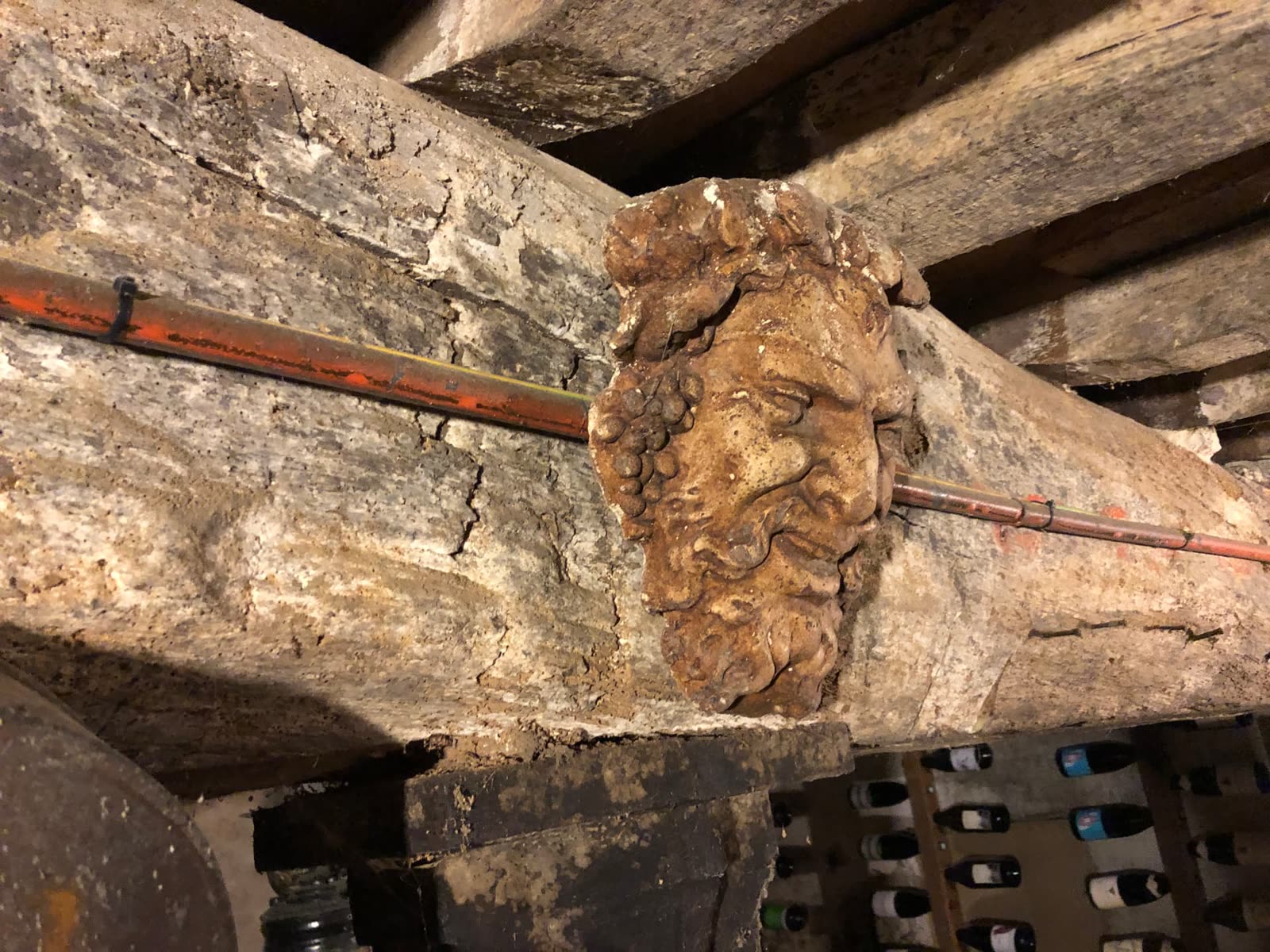
A cellar is infinitely more shaped by human hands than a vineyard. Here, humans seem to rule. Yet paradoxically, a mishap, a mistake, a spectacular collapse comes much faster here. A door left ajar, a fermentation cap collapsing, volatile acidity running wild, and it is all over. The economic consequences for the winegrower are far more serious in the cellar, because everything is concentrated. I know plenty of winegrowers who practise freeride in the vineyard, but almost none in the cellar.
Chapter VIII
The Spark, Always
I want to make wines with a sense of verticality. Taut, generous and savoury. No easy feat in Provence, under this sun and this crushing heat. The blaze loads grapes with sugar and wipes out acids, while phenolic ripeness lags behind. So I usually work in two bursts: a small early harvest, picked underripe, lets me start a fermentation with low pH and laser-sharp acidity. Ten days later, I harvest the bulk of the plot and pour it onto the starter, now firing on all cylinders.
I work without commercial winemaking additives. With spontaneous microbes only. I love picking late-forming grape clusters to reacidify musts I still find too flabby. And I readily reuse lees from other cuvées to add nuance to the aromatics or trigger malolactic fermentation. I favour long ageing. Very long, even. I like ageing wines in old barrels. I dread overt oak notes (vanilla and pastry) but love oak's indirect effects (that fine oxidative thread, that struck-flint note, that rounded mouthfeel from autolysis). I like not to top up my barrels too religiously, allowing the wine to wrap itself in a fine lace of volatile acidity. In small doses and well integrated, it brings complexity, zip and aromatic ardour. I generally rack the wines two or three times, after entrusting them to the tender mercies of Provençal winter cold, which can be severe. Natural clarification, then. No filtration.
When the big choices come, if I feel that a wine expresses itself beautifully as a single-parcel bottling, that is how I release it. If I sense the balance is not there yet (as is often the case), I persevere, ruling nothing out. I cannot imagine bottling a wine that gives me no delight. I try blends, summon the lees of other cuvées, divide the wine and pursue different ageing paths. Until I arrive at a wine that moves me. Both routes, the single-parcel straight shot and the dogged, exploratory composition, bring joys and agonies that are equally magical. Many of my cuvées began with a clear intention, a clear plan, a path laid out in advance... only for that plan to be shattered, remade, sometimes to the point of complete wandering, before a spark appeared. It always does, and suddenly the cuvée emerges as the obvious answer. And afterwards I wonder whether the wandering, the stubbornness, the despair and weariness had somehow been planned from the outset by some unknown agency, to lead me to the precious result.
I add a pinch of sulphur to all my cuvées (20 mg/L) a few days before bottling. This ritual has helped me keep more than one case of mousiness at bay, a fault to which, alas, I am extremely sensitive.
Chapter IX
Of Vinegar and Coca-Cola
I am convinced that the non-human part of nature has no particular plans for our vines, our grapes or our wines. The slope is there, indifferent. It leads to vineyards buried beneath brambles, and grape juice overcome by volatile acidity. For me, the winegrower’s honour, grace and joy lie in placing a clever diversion, a touch of human nature, of culture then, in that great, inexhaustible current, to try to redirect its flow briefly and locally in the hope of bringing about a delicious, intoxicating singularity. A diversion that must never become the Three Gorges Dam. So that wine can surge, crackle, bounce, whirl, set off lights, flashes and bells between the twin gutters of this pinball machine that will not let me go. Between vinegar — the ball lost down the centre drain — and Coca-Cola — the ball always travelling straight ahead in a completely rigged machine, where the wine, the ball, run like trains in Switzerland. And the same goes for the vine and its grower, who can choose to stand somewhere between primeval forest and the desert of intensive monoculture.
The exploration will continue. Into the influence of our companionships as holobionts. Into the intimate. Into emotions, attachments. Psychosocial games. Into beliefs, spirituality and metaphysics. I fear we may be reaching the open sea of the unsayable, where on these matters nothing can be said, only lived.